Slurpee Science: the Genius Behind 7/11's Most Iconic Product
posted on 05-15-2019 by scotty
7/11’s oversized, brightly-colored banner pulled me into their store on 5th again yesterday. I may be a poor college student, but the promise of America’s favorite frozen drink, size medium, for only a dollar excited my taste buds more than the tight grip on my wallet could resist. So, with that split-second settlement, I made a quick left into the parking lot and glided in past the cashier as the familiar ding of the entrance door vanished behind my thirst.
 americana personified (image via JeepersMedia on Flickr)
The Slurpee is a genius experiential marketing device. Like Costco’s buck-fifty hot dog combo, 7/11’s flagship product brings customers in the door, knowing they will likely do more shopping while they stop in. I made my way all the way to the back of the store, beyond hot dogs rotating softly on their rollers and grab-n-go snacks with an astonishing markup. When customers like me have already surrendered their sweet tooth to the frozen delight of a cherry-coke Slurpee, convenience and temptation inevitably lead to the purchase of other sweet, salty, and savory snacks. I managed to resist the temptation of the peanut butter brownie at the register, but as I left the store, congratulating myself for cutting the price of my drink to a quarter of the cost of my usual Starbucks order, my thoughts wandered not to the science of store layout, but the genius of the Slurpee’s product design. My mother, a longtime supporter of my frozen-treat cravings (the apple falling very close to the tree), always championed the Slurpee’s unique ability to retain the original ratio of ice to sweetness down to the last slurp, a test other frozen drinks fail by leaving a pile of near-flavorless ice at the bottom of the cup.
So, I wondered, what’s the story? What mad scientist pioneered the most iconic product of the American consumer era? Down the research rabbit hole I went.
As it turns out, its discovery was a lucky accident.
Omar Knedlik owned a Dairy Queen in Kansas City and was dismayed to find his soda fountain broken on a hot summer day. In an effort to quickly quench the thirst of his customers, he rushed a few bottles of soda to the freezer to flash cool them while the repairman worked his magic. When Knedlick pulled the bottles out and cracked the lids, he was stunned to watch the liquid instantly begin to solidify into tiny, icy crystals. He served the concoction to his customers in spite of the strange transformation, and it was an instant hit.
Knedlick was a WWII veteran, not a scientist with an understanding of chemistry, but he would find out later that the phenomenon at hand caused his sodas to become supercooled liquids in the freezer—their temperature was below the freezing point, but ice crystals had not started to form thanks in part to the smooth interior surface of the bottles. As soon as the supercooled liquid came in contact with the air, however, imperfections in the system were introduced, providing prime real estate for ice to form. After experimenting with modified ice cream machines and car air conditioners to create a suitable cooling machine and dispenser, Knedlick iterated religiously to create the perfect chemical recipe—a calculated balance of super-concentrated sugar, flavoring, and carbon dioxide. The exact recipe is a closely-held secret, today shipped ready-made to 7/11 stores concentrated in 5-gallon plastic bags. Once the bags are installed, the secret sauce flows into the clear, pressurized tank you see spinning on every store’s back counter. Interior blades scrape the walls of the device to stop any crystals from forming until the special sauce meets the air as you pour it into your cup. The result is the fluffy, flavor-infused icy treat that made Knedlick famous.
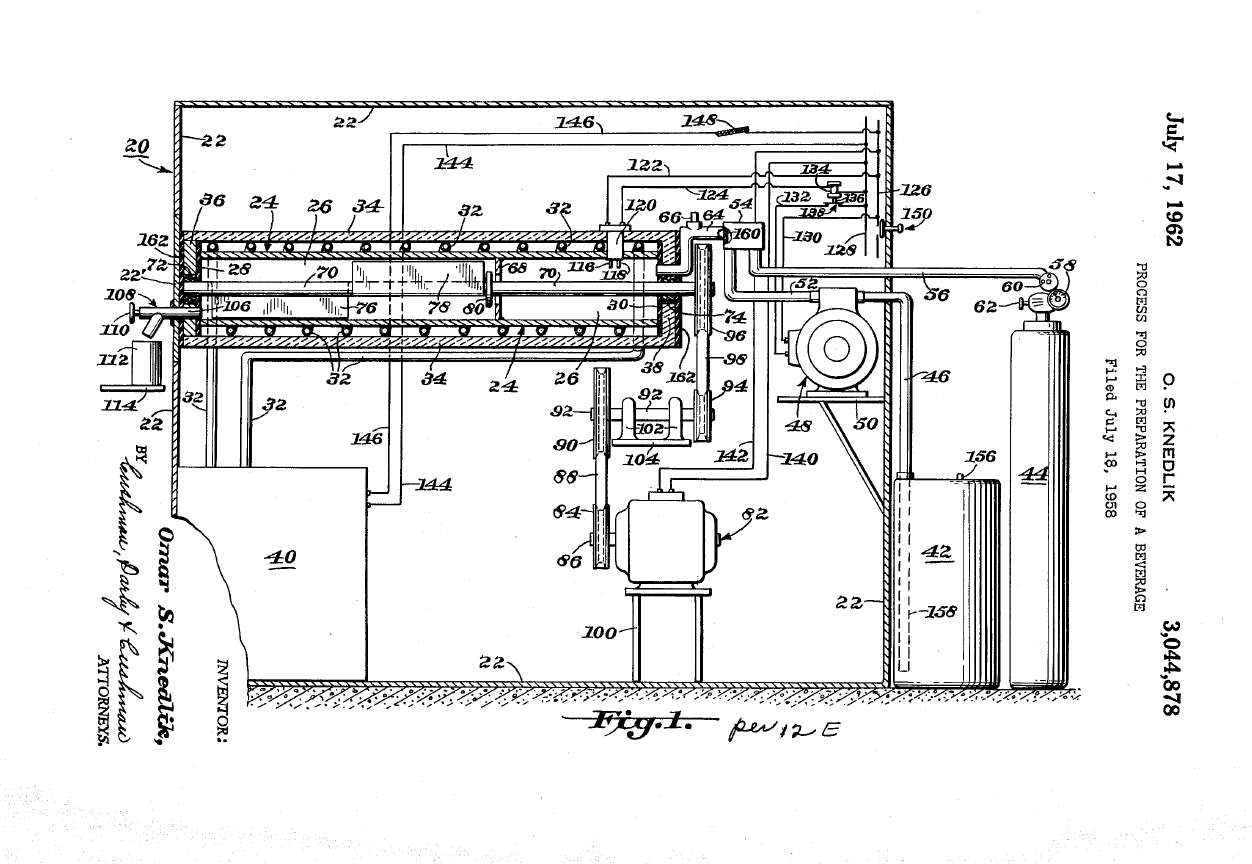 filed with an early patent of Kendlick's prized machine - look familiar? image courtesy of The Smithsonian
Within a few short years, Knedlick installed his new machines at many convenience stores in his area, but by 1965 the invention had caught the eye of a much bigger name, 7/11, who licensed the design and rolled it out in all of their stores, soon creating the moniker Slurpee: a fresher, sweeter, and altogether more appealing descriptor than Knedlick’s original name (though it lacks 7/11’s exceptional branding, you still see it in movie theaters and other convenience stores as the ICEE).
Slurpee was an overnight success. Accompanying merchandise, collectable cups, and even a Slurpee song followed in the 1970s, empowering the growth of 7/11 into the 1980s. And though America nearly lost their new favorite frozen treat with the bankruptcy of Southland, the American 7/11 corporation, in the early 1990s, a remarkable save from the Japanese branch of 7/11 and Ito-Yokado meant the Slurpee survived to celebrate its fiftieth birthday in 2016.
My cup was almost empty now, but my research made me crave a refill. I went back today. Congratulations, 7/11 marketing team.
Successful marketing starts with great products, but a truly convincing value proposition comes from deliberate, human-centered design. We’ve lost touch with much of the try-it-before-you-buy-it tradition during the reign of Jeff Bezos, but test drives, fitting rooms, and the inevitable pre-purchase Slurpee taste-test have become an even more crucial driver of consumers to brick-and-mortar stores in the post-retail era. When card comes to swipe, driving sales requires creating a product experience that will do more than just satisfy buyers—it must keep them coming back for more.
The Slurpee is a case in point, and seemingly small alterations have been made in its last fifty years to showcase its unique value, bringing customers back to choose it again and again over other treats. Iconic industrial designer Arthur Aykanian saved us from sticky hands and noses with the spoon-straw combo, a simple but supremely useful innovation that ensures the end of the Slurpee experience is satisfying and motivates repeat purchases. New flavors are constantly being introduced, often branded as popular soft-drinks—most recently, theming of a mystery flavor accompanied the release of the movie Detective Pikachu. Custom flavors are designed to highlight the culture of individual regions-- enter the possibility of a cross-country Slurpee road trip.
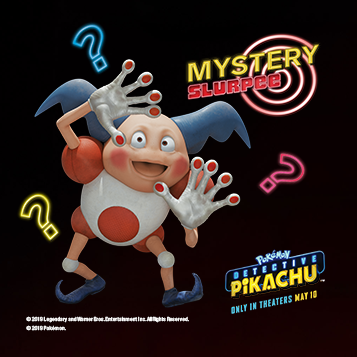 this month, 7/11 features a flavor themed after the new movie, Detective Pikachu (image couresty of 7/11)
But it doesn’t stop there.
Expert designers constantly reinvent cup designs to keep them trendy and attractive-- with graphics from stripes and snowflakes to psychedelic swirls. Slurpee holidays have been introduced—July 11th (the eleventh day of the seventh month) finds stores swarmed with customers claiming free and discounted Slurpees, and one of their infamous bring-your-own cup days honored the Slurpee’s 50th anniversary. In fact, 7/11 even obtained a trademark on the term “Brainfreeze!”
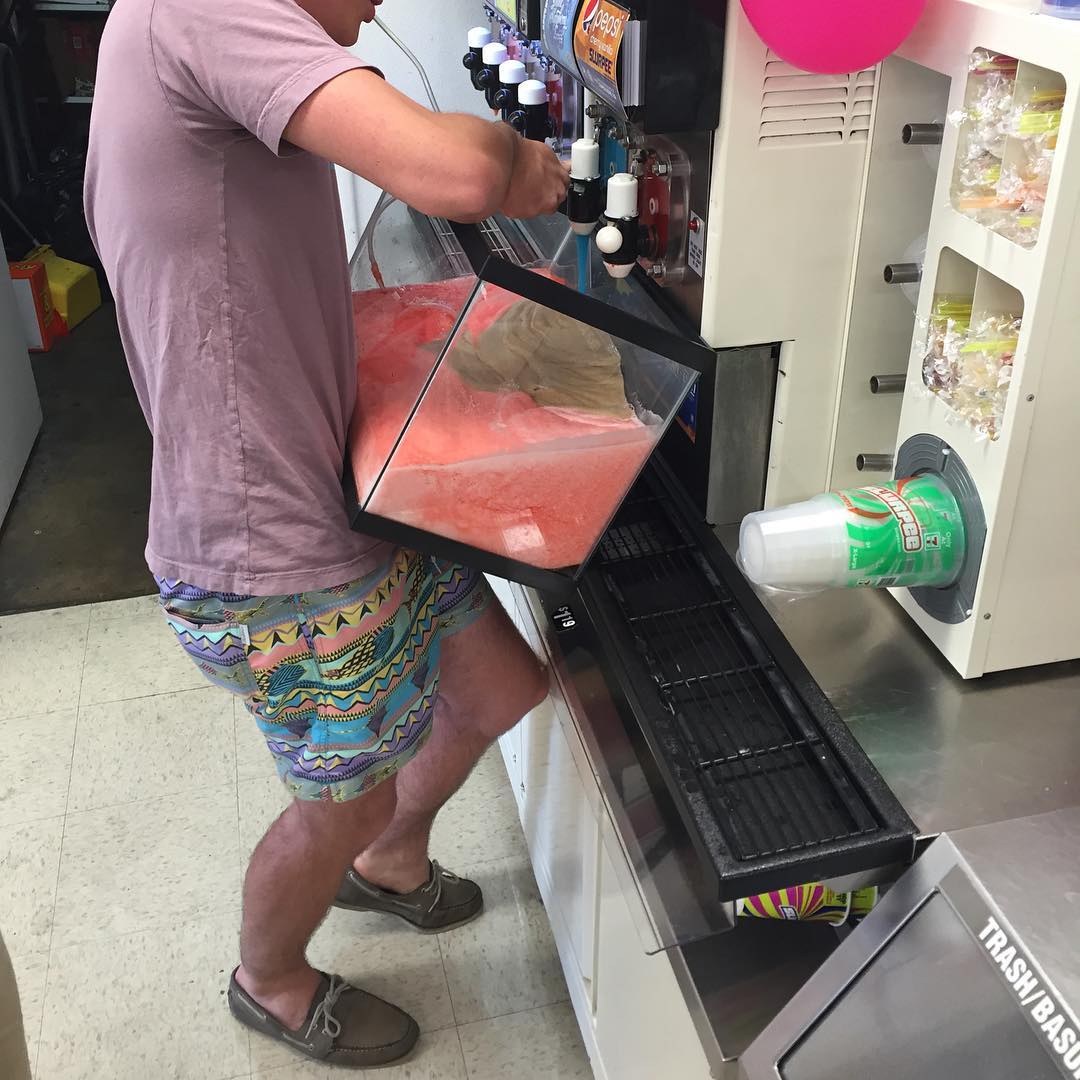 inventive customers have prompted restrictions to "cup" size on bring-your-own-cup day in recent years (image couresty of Eric Henning on Instagram)
What will the next 50 years hold for the Slurpee-- new flavors? Without a doubt. Updated packaging? Surely. A data-empowered, machine-learning Slurpee Rewards system? It seems natural. America’s most iconic roadside pit stop would be foolish to stop innovating, but they would be even more foolish to forget the legacy of an incredible product and customer experience.
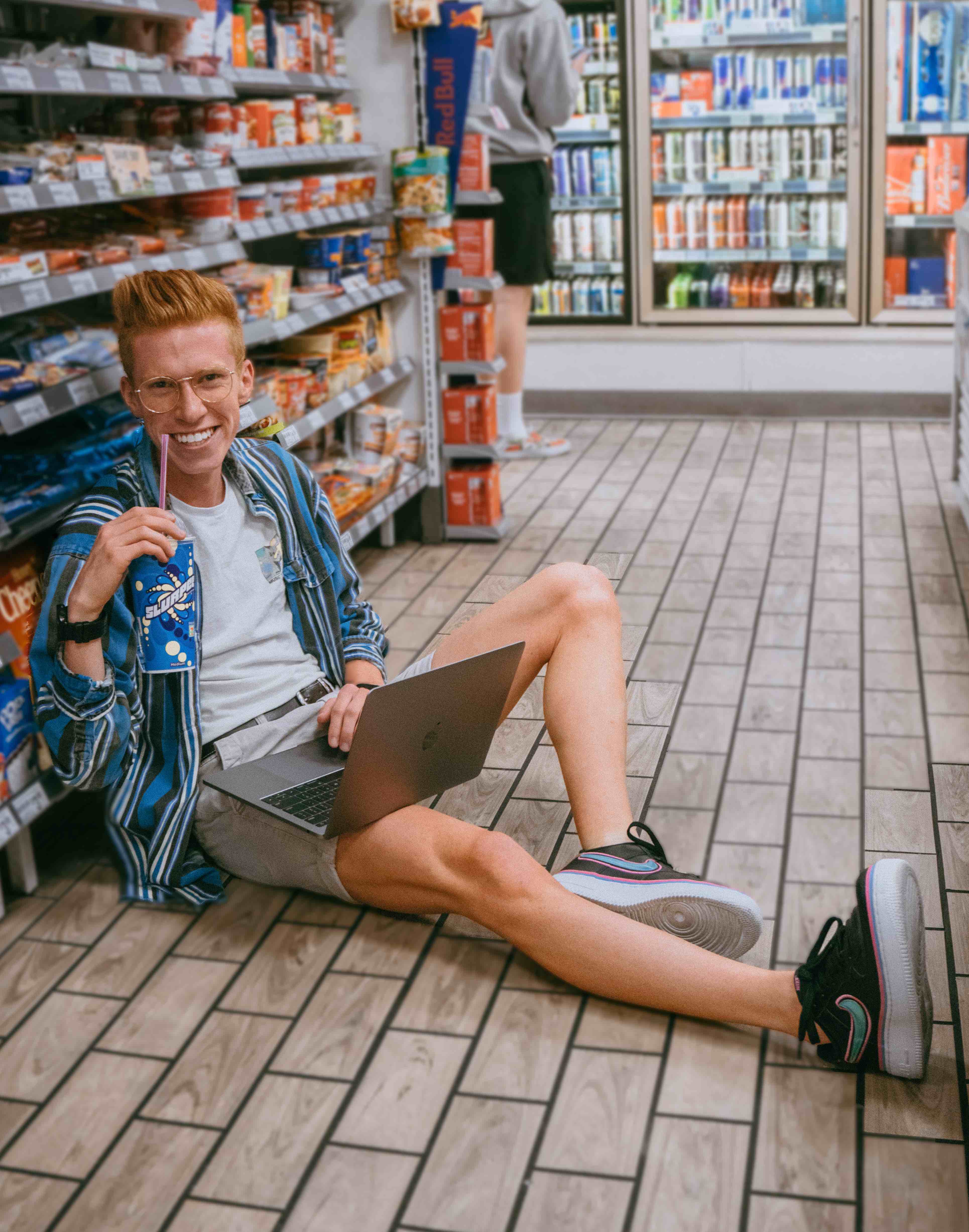
Scotty Kinkade is a student, marketer, and runner at BYU in Provo, UT. Special thanks to The Smithsonian, Mental Floss, and Mashed for facts, history, and inspo. This post was not sponsored by 7/11. Connect with Scotty on social media at the links below!